
Project Shadecover

I never actively choose AI for writing, creating images, or anything else. All the words here are mine alone, as are any mistakes. The photos I share are all taken by me, except in rare cases, in which credit is given.
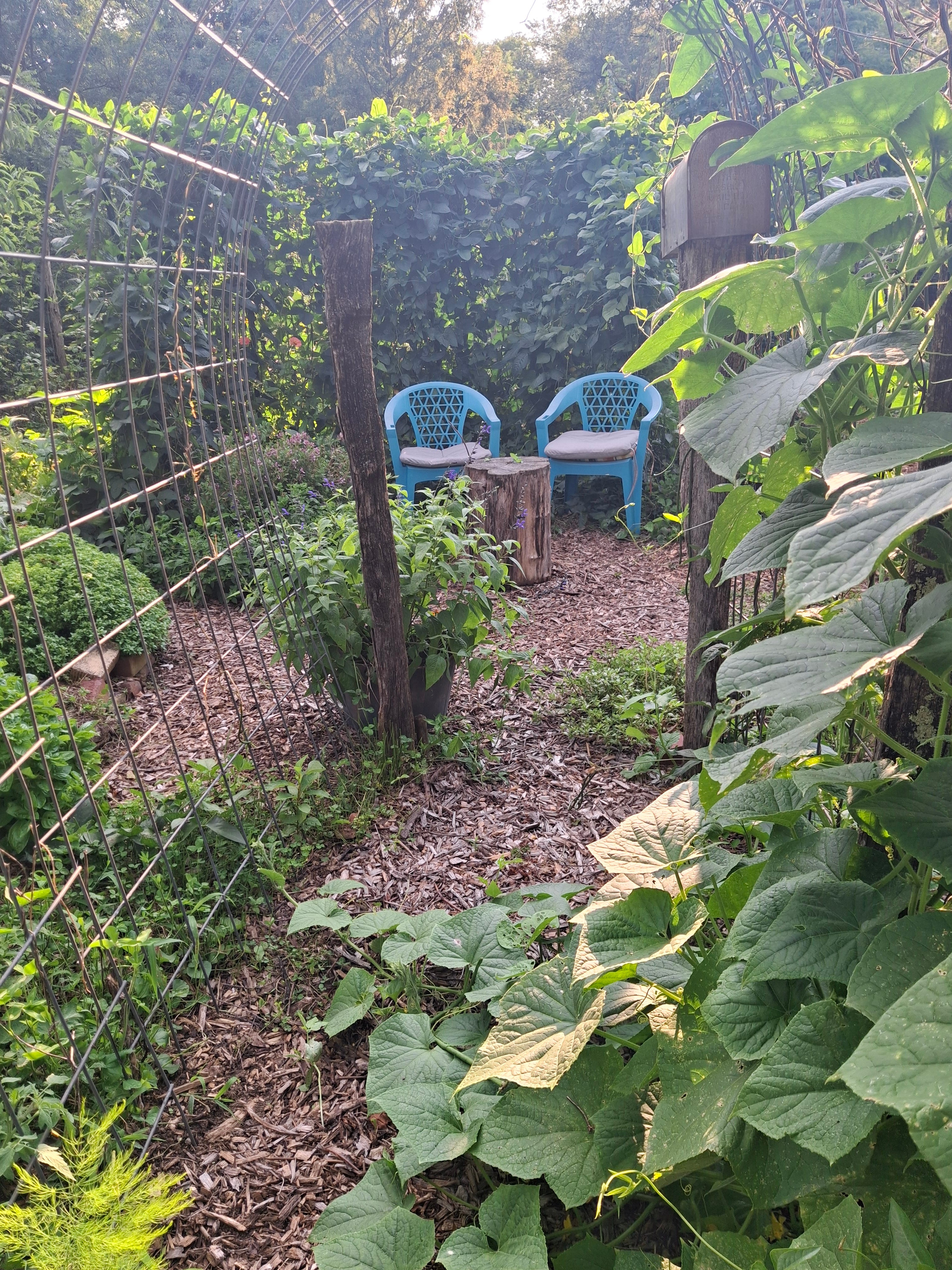
I work at a garden center full of plants sitting in pots or buried in gravel, waiting for new owners to choose them and whisk them off to forever homes. The bulk of the property is covered in asphalt, concrete, or stone, all of which soak up the sun’s rays and create a local heat island during hot spells.
The neighboring parcel is a grass-covered field where I take lunchtime walks. Stepping off concrete onto turf feels like leaving a furnace. It's still hot, but the breeze is an improvement over the oven blasts I've left behind.
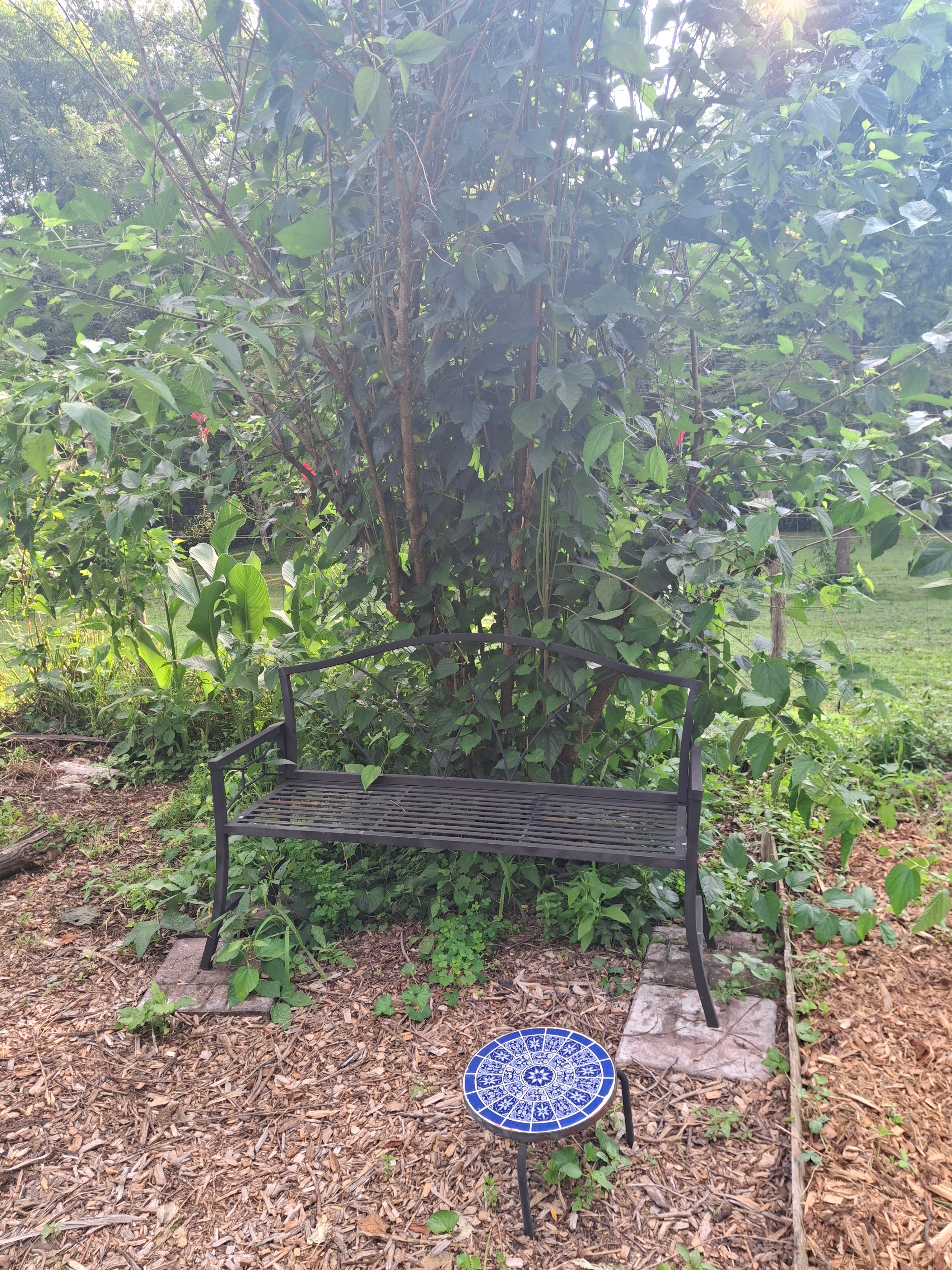
When I arrive home after work it gets even better. I'm greeted with a shady greenspace under the high canopies of a red maple and tulip poplar where it is noticeably cooler than the garden center lot and the sunny field. The shade effect is amazing: Yard trees make our lawn pleasant on hot days, and tolerable during heat waves. They even allow us to live without air conditioning.
Gardeners usually think about shade in the context of plant placement and strive to match plants to conditions in which they will thrive. In gardening, shade can be deep, bright, dappled, or partial. When it comes to shade for the purpose of cooling, I think we need more categories. For instance, there needs to be a word for areas that experience constant shade during summer days. (Perma-shade?) These spots are cooler than others that are shaded for part of the time. Because the sun never hits them, they remain reservoirs of cool air throughout the day.
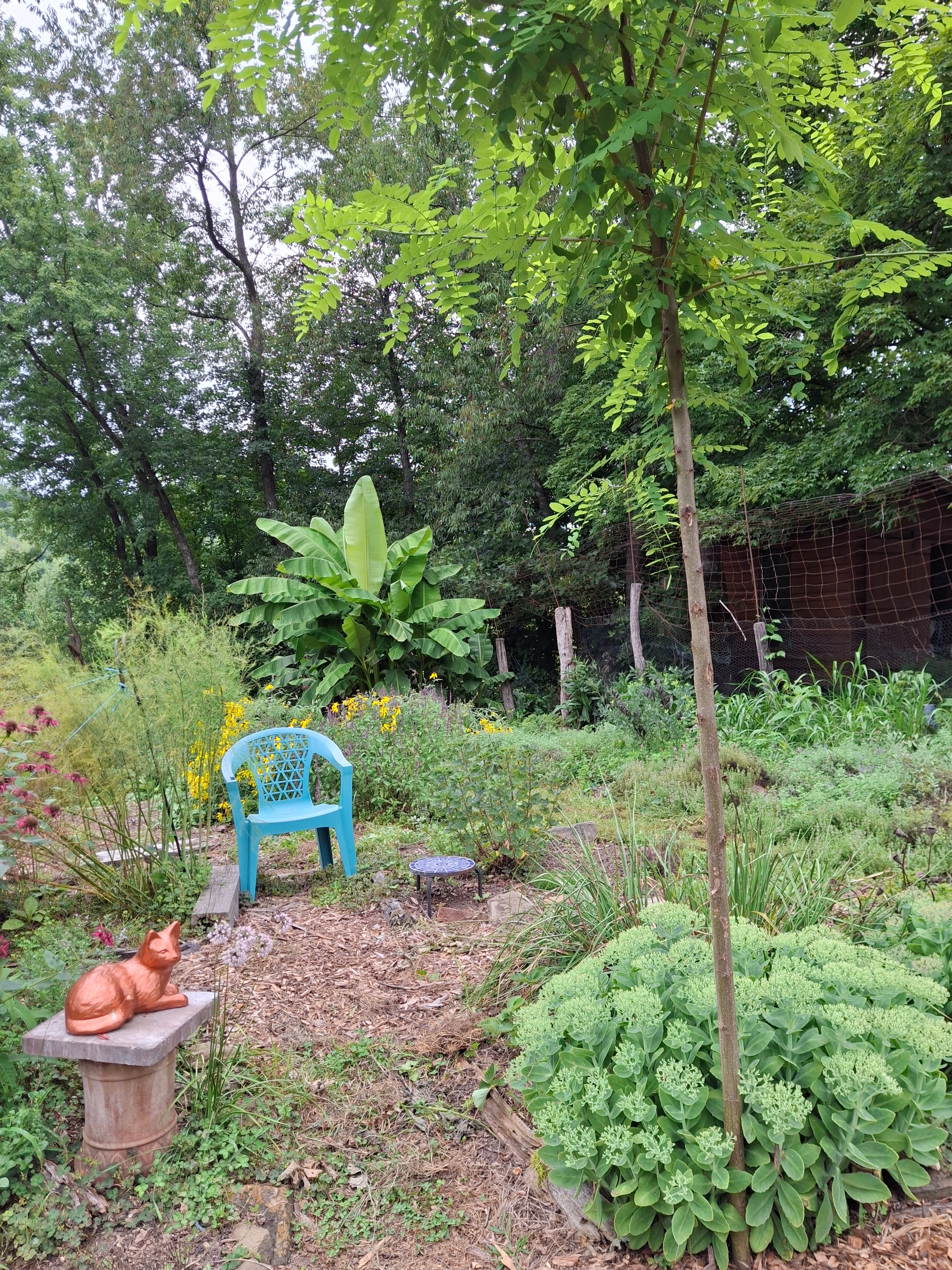
In midsummer the sun beats on my garden until evening, and even if I visit after the sun sinks below trees to the west, I can still feel the heat rising from the mulch. Not so by the frog ponds, where a nearby bench is shaded all day by maples and cherries. It's a bit uncomfortable here during the current heat wave, but still far cooler than open areas that have been soaking up the sun for much of the day.
Of course, to grow vegetables it is necessary to maintain areas of constant sunshine. The potager is a short walk from the house, outside the reach of the large trees that shade the yard and make for a pleasant walk before one enters the sun-soaked garden. This spot and the pastures must be preserved as open areas, but my goal for much of the remainder of the property is a living canopy to intercept the sun’s rays and put them to use, with a zone beneath that harbors cooler air.
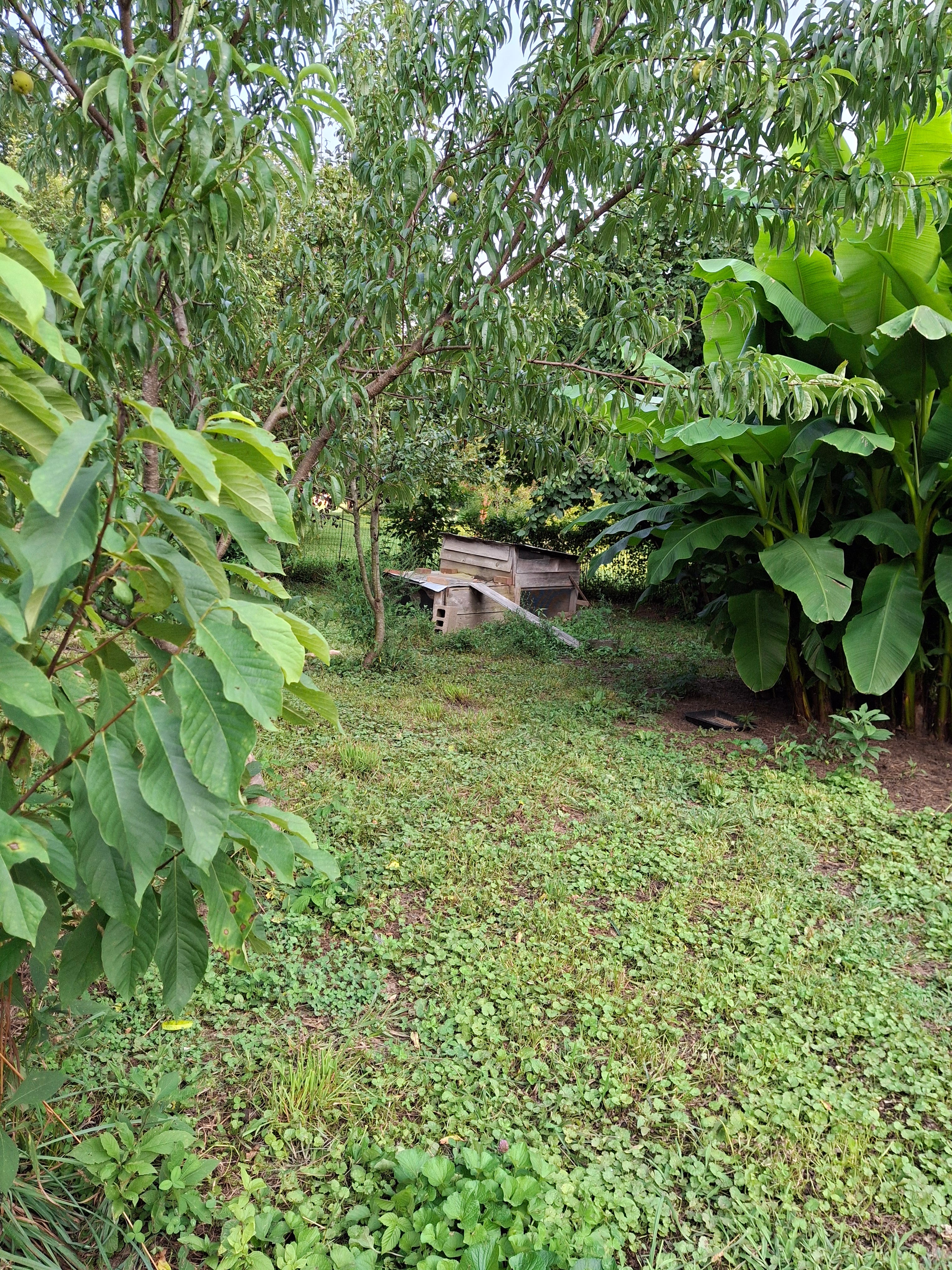
Trees do all sorts of great things like slowing rain drops, sequestering carbon, and providing essential habitat, but we shouldn't overlook their role in cooling large sections of land. Climate change debates focus on CO2, but we are failing on a global scale to significantly reduce emissions. There is no energy transition happening, despite the claims of many environmentalists. I won't delve into the questions of whether such a transition could or should happen, I'm simply stating that current data shows it isn't happening. Long-term, we are on our own when it comes to staying cool, and creating a living infrastructure that provides shade should be top priority.
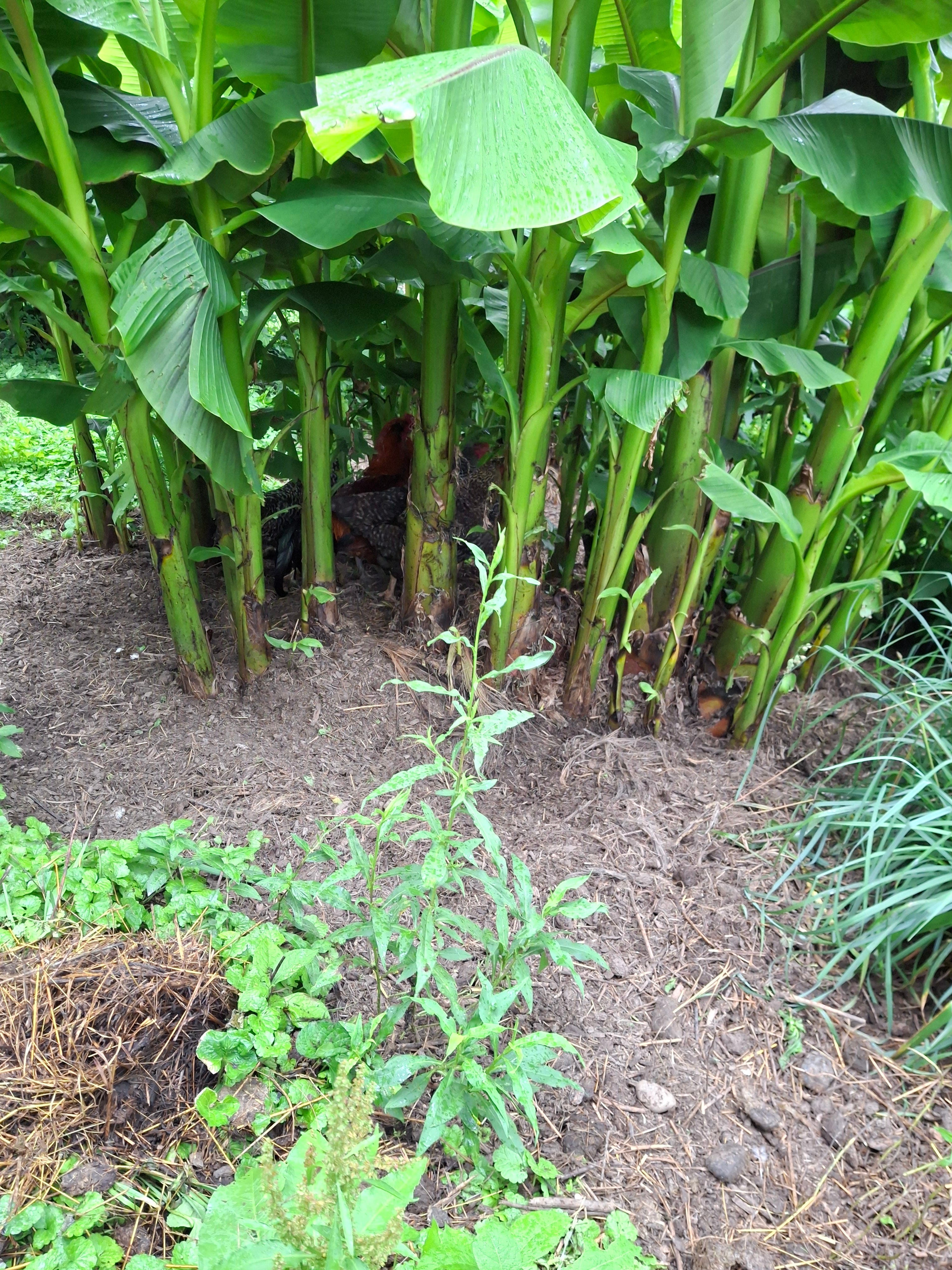
The existing built environment makes this difficult or impossible in many places. Many people have little control over their environment and are at the mercy of landlords whose main concern is keeping maintenance costs as low as possible. For those of us with some authority over our surroundings, there are still limitations. We need trees that don't interfere with overhead lines, or threaten roofs or foundations.
In the eastern US there are plenty of native trees that stay relatively short and can safely be grown in yards. Dogwood, hawthorn, serviceberry, and fringe tree come to mind. Pawpaws and hazelnuts do double duty by producing shade and edibles. These shorter trees won't shade the roof of your house, but by creating perma-shade around the house, they will keep you much more comfortable when you venture outside on hot summer days.
We all instinctively seek shade when we get overheated, yet the importance of shade’s cooling effects continues to be ignored. My town isn't suggesting turning the downtown into a pedestrian-only space, digging up pavement, and planting trees under which shoppers stroll and dine in comfort. We're not there yet. As ecological breakdown continues, driven by increased GHG buildup and wholesale destruction of the the natural world, we might arrive at the point where “radical” innovations such as my city center remake idea are finally viewed as feasible. Meanwhile I will continue Project Shadecover on my own property and enjoy the benefits.
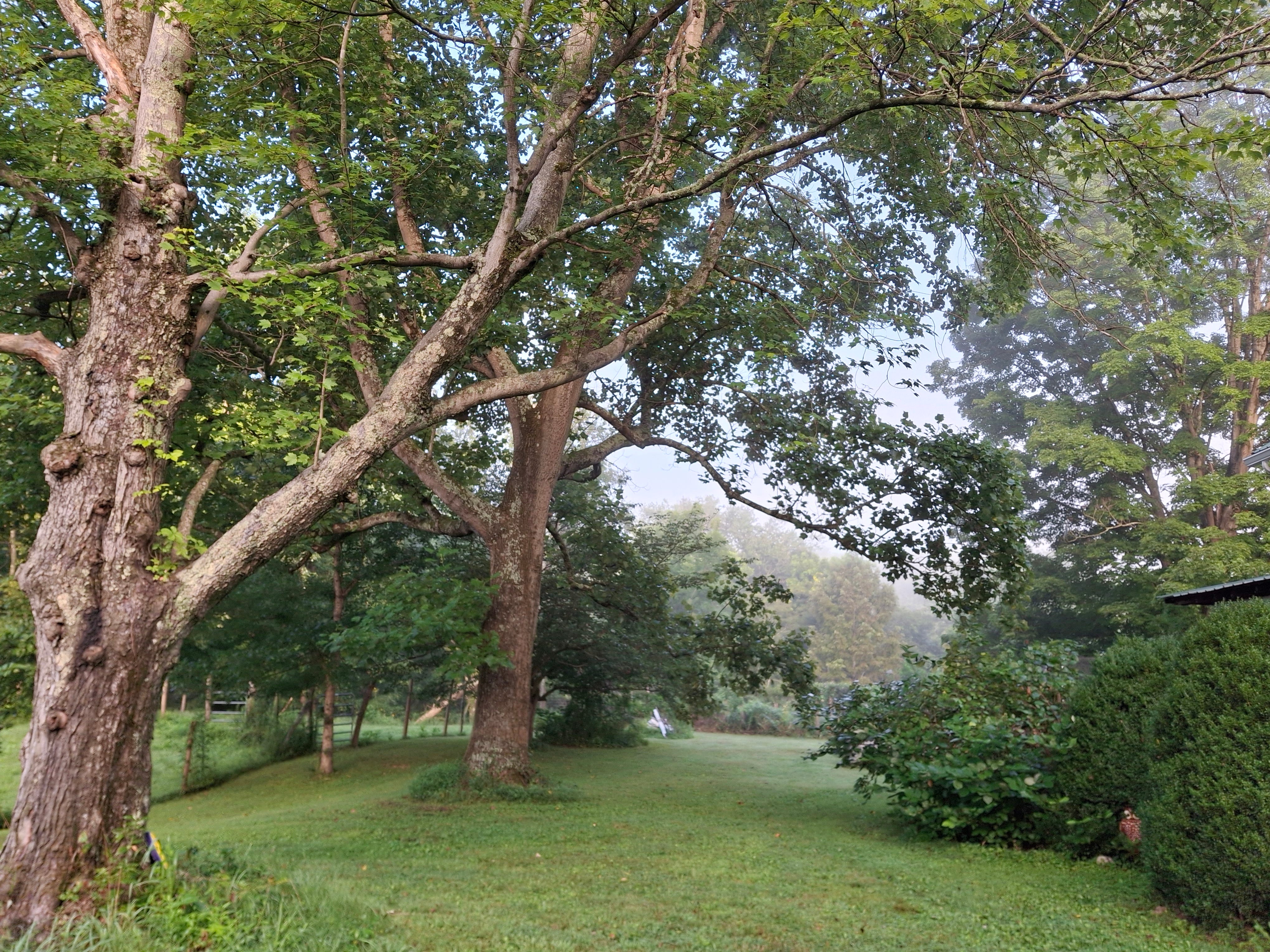
I love all your shady spots! For us, our front porch is that spot on most days. It faces the sunrise, bright and warm in the morning, but soon is in the shade of the house. Ceiling fans provide a continuous breeze and help keep bugs at bay.
Nice column. Lovely pictures. I think the last one is my favorite. I did not get the email post this time. I found this piece when I came to the site to see if I'd missed anything. Obviously I did miss this one. Keep up the good work (in more ways than one).