
Meanwhile, back at the farm
Everything is growing

I never actively choose AI for writing, creating images, or anything else. All the words here are mine alone, as are any mistakes. The photos I share are all taken by me, except in rare cases, in which credit is given.
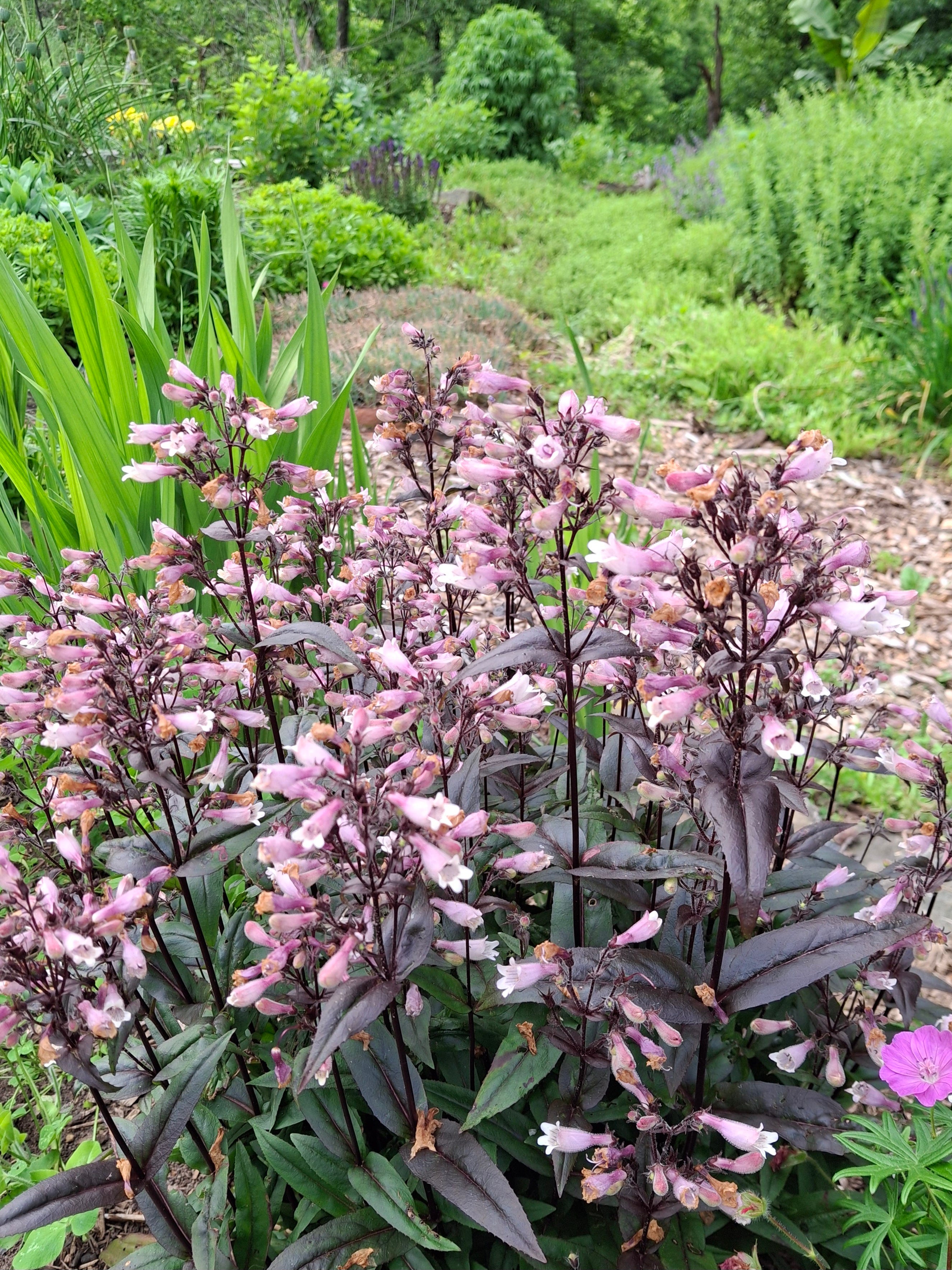
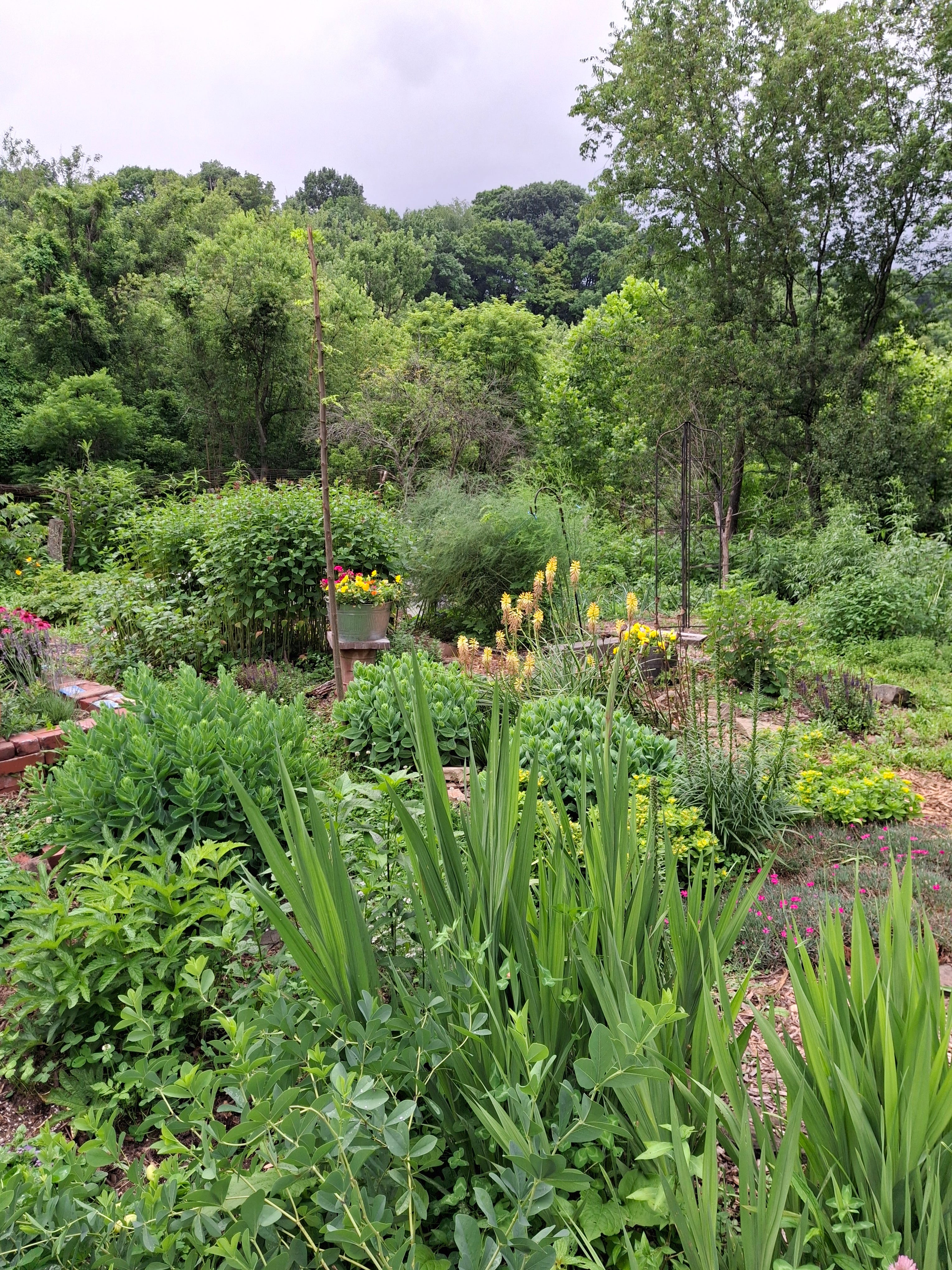
While I've been distracted by the nightmare unfolding on the far side of the county, Mother Nature has continued with the ongoing project called Spring. Each day I am amazed at the growth of the potager and surrounding fields and woods. It’s time to share some photos and introduce new subscribers to the Turtle Paradise mission.
Early in the spring we had a short heatwave before temperatures settled down to average levels for this time of year. The hot spell jump-started perennials into rapid growth and early blooming. I feared this might mean shorter bloom periods, but cooler weather during May kept flowers looking good. The heat also brought out a wave of early butterflies, with zebra swallowtails being well represented.
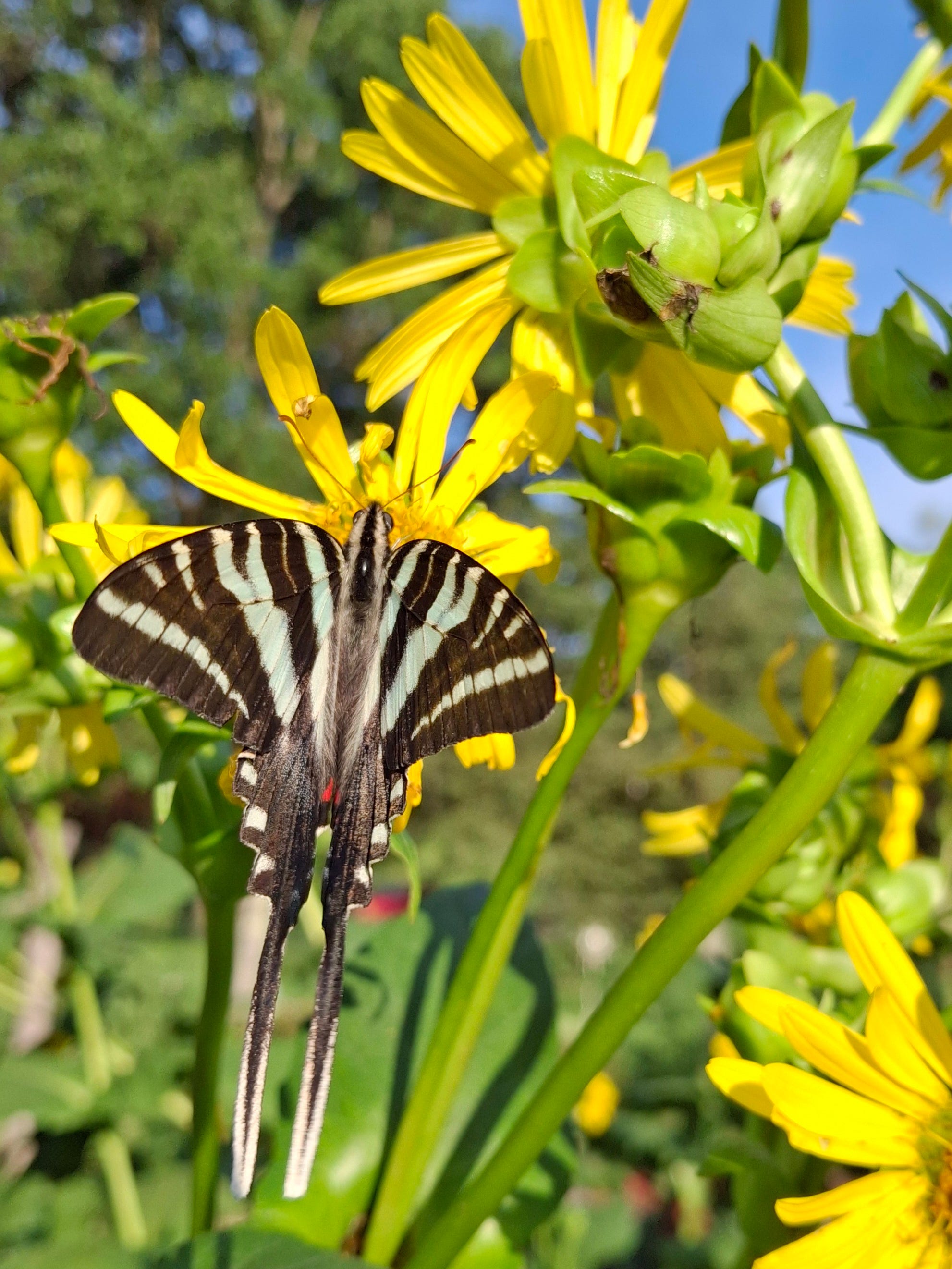
This proliferation of zebra swallowtails isn't surprising since hundreds of host plants for the butterfly grow on the property. Asimina triloba, the pawpaw tree, is one of our most successful tree species, moving quickly into the abandoned corn field and colonizing sunny spots that resulted when the ash trees succumbed to the emerald ash borer.
Female zebra swallowtails typically lay one egg per leaf to prevent cannibalism among their offspring. They favor young leaves with high levels of the chemical that makes leaves—and caterpillars—distasteful to predators. One might assume that egg laying is limited to spring when leaves are young and tender, but that is not the case because the pawpaw webworm, a drab and less charismatic insect, flits in to help out. The larvae of this moth consume older leaves, thereby encouraging pawpaw trees to put out new growth which appeals to zebra females, enticing them to continue depositing eggs throughout the season.
The pawpaw webworm is described in some articles as a pest of pawpaw trees, capable of defoliating them to the point of affecting fruit yields. Integral component of a balanced ecosystem or thorn in the side of wannabe pawpaw producers? The difference is in one’s perspective: As a casual steward of multiple pawpaw patches, I don't need to worry about the pawpaw webworm. In fact, I didn't learn about it until just now, and I believe its appetite for pawpaw leaves is an insignificant factor in wild fruit yields. Only for highly cultivated backyard patches and commercial operations (there are few because the fruits don't keep well) would the webworm pose a problem.
Much of the thinking around earth-friendly agriculture revolves around the question of finding a compromise between completely uncultivated land and industrial monoculture: a sweet spot that can help meet human needs, while creatures like the pawpaw webworm serve their ecological role without becoming pests. Because I'm not a pawpaw farmer and merely rely on foraging for the fruit in semi-wild areas, I can appreciate the pawpaw webworm because it stays in its lane as one small part of a complex whole, each part of which tugs on the others to keep the system balanced and functioning.
If I were to move toward a more intense cultivation of pawpaw trees, this modest insect would become a problem to be solved rather that a interesting ecological footnote. Industrial agriculture has no room for the webworm or any other plant or animal that interferes with food production. In the industrial model, every aspect must be tightly controlled to ensure maximum profit which means one species is cultivated and all others extirpated by chemical or mechanical means.
As things are now, we need industrial agriculture to prevent mass starvation, but that shouldn't stop us from figuring out ways to grow food in settings that use functioning ecosystems to do some of the work. The human caloric harvest under such a system is undeniably less than in industrial agriculture, but so is the labor required, and the benefits for non-human life are immense.
If one attempts to restore functional ecosystems — with or without the hope of gaining a harvest of human food or fuel — it will be done with incomplete knowledge. If I only today learned about the pawpaw webworm, imagine all the other creatures and interactions of which I am entirely ignorant. Even a trained ecologist will have gaps in her knowledge because natural systems are incredibly complex. The forest that I encourage to return to this land is a pale shadow of the one that once stretched across these hills, but nonetheless consists of countless relations among all its living creatures that I could never fully comprehend in a lifetime.
The good news is I don't have to have a PhD in ecology or a God's-eye view to help in land restoration. I've fostered the pawpaw webworm without having knowledge of it's existence simply by encouraging the growth of pawpaw trees. That's the beauty of land work: It's okay to start by focusing on charismatic megaflora and fauna because by encouraging these noticeable species we are simultaneously supporting all the species that depend upon them. Even if I could investigate and identify all above ground species visible to the naked eye, the vast underground web of life would remain mysterious. Judging from the explosion of visible growth, that hidden world is also thriving, and the health of landscape improving each year.
I can reap the benefits of that health without comprehension of the exact how and why of it. For example, ticks are becoming a huge problem in Ohio and much of the rest of the country, and we seem to have perfect tick habitat here, yet populations seem comparable to levels when I was a kid. I am doing something right, even if I don't don't know precisely what that is. I assume that our low tick population is related to encouraging wildlife that feeds on ticks and the mammals that harbor them, and though I remain ignorant of the details, I can still enjoy the benefit that accrues.
Another success story on the farm is the plentitude of fireflies that show up when the warm weather hits. As tick populations grow, these bioluminescent creatures are rumored to be dying out. Here on the farm, both groups appear to be remaining stable. Lightning bugs need moist, sheltered places with leaf litter or rotting wood to thrive, along with dark nights so they can use their light to communicate with potential mates.
These needs aren't particularly difficult to meet, and though most firefly species are not yet endangered, the fact that we are failing to support a low-maintenance creature such as the firefly should tell us a few things. One, if a very visible creature like the firefly is suffering, many other lesser known animals must also be struggling. And two, how ridiculously easy it would be to adjust our habits to support fireflies and any other organisms that simply need moisture, shelter, and prey that isn't continuously killed off with pesticides.
Planting trees is one way many people interact with the land to create positive outcomes. Trees create shade, stabilize soil, provide habitat for countless creatures, and sequester carbon. Provided they are at a suitable distance from structures, there are very few downsides to planting trees. Plant one of the trees recommended by Doug Tallamy — native oaks and cherries top his list — and so many critters will benefit that knowing all of them and understanding their complex interactions could be your life’s work.
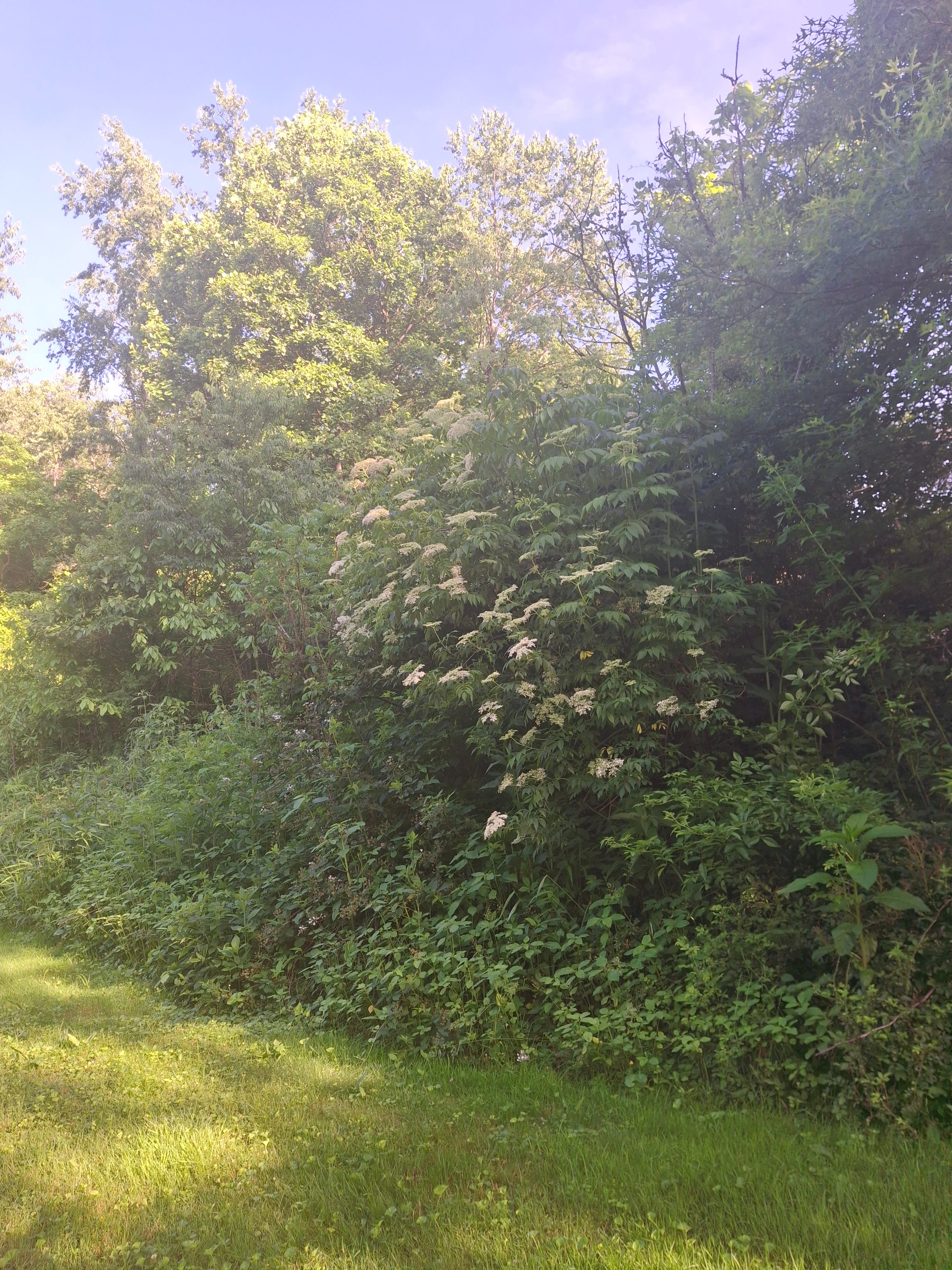
There is another little known benefit that has only come to be understood recently by science: Trees release microscopic particles called sesquiterpines which react with other molecules in the atmosphere to form condensation nuclei. These nuclei are crucial for cloud formation as they act as a center around which moisture condenses. Research has shown that trees have some control over sesquiterpine release, and produce more in times of stress. This indicates that trees are not only instrumental in cloud formation and the cooling associated with cloud cover, but are actually responding to heat and drought by actively working to create clouds and rain.
Everyone who plants trees or works to protect existing forests is helping to make clouds and rain, and most have no idea because this arboreal ability was only recently discovered. What other things are going on about which we have no clue? Common sense says there are plenty. Nature is working even when we don't understand how.
Even if you feel you are just fiddling around the edges, keep on doing what you are doing. The pawpaw webworms and countless other little-known creatures that toil in obscurity to hold the natural world together are depending on you. If knowledge of complex molecules motivates you to plant a tree, that's great. If you prefer to think of trees releasing tiny prayers for rain, that's wonderful also. With a different understanding of the process, or no understanding at all, the effect will be the same as long as we continue to do the work.
Beautiful writing Lynn Cady and pictures to match. Love how we do something simple, like plant a tree and all sorts of consequences roll out through years to come - like you say, we could spend a lifetine tracing those consequences and never reach an end. Ain’t nature wonderful!